
A Guide to Vehicle Immobilisers for Commercial Fleets
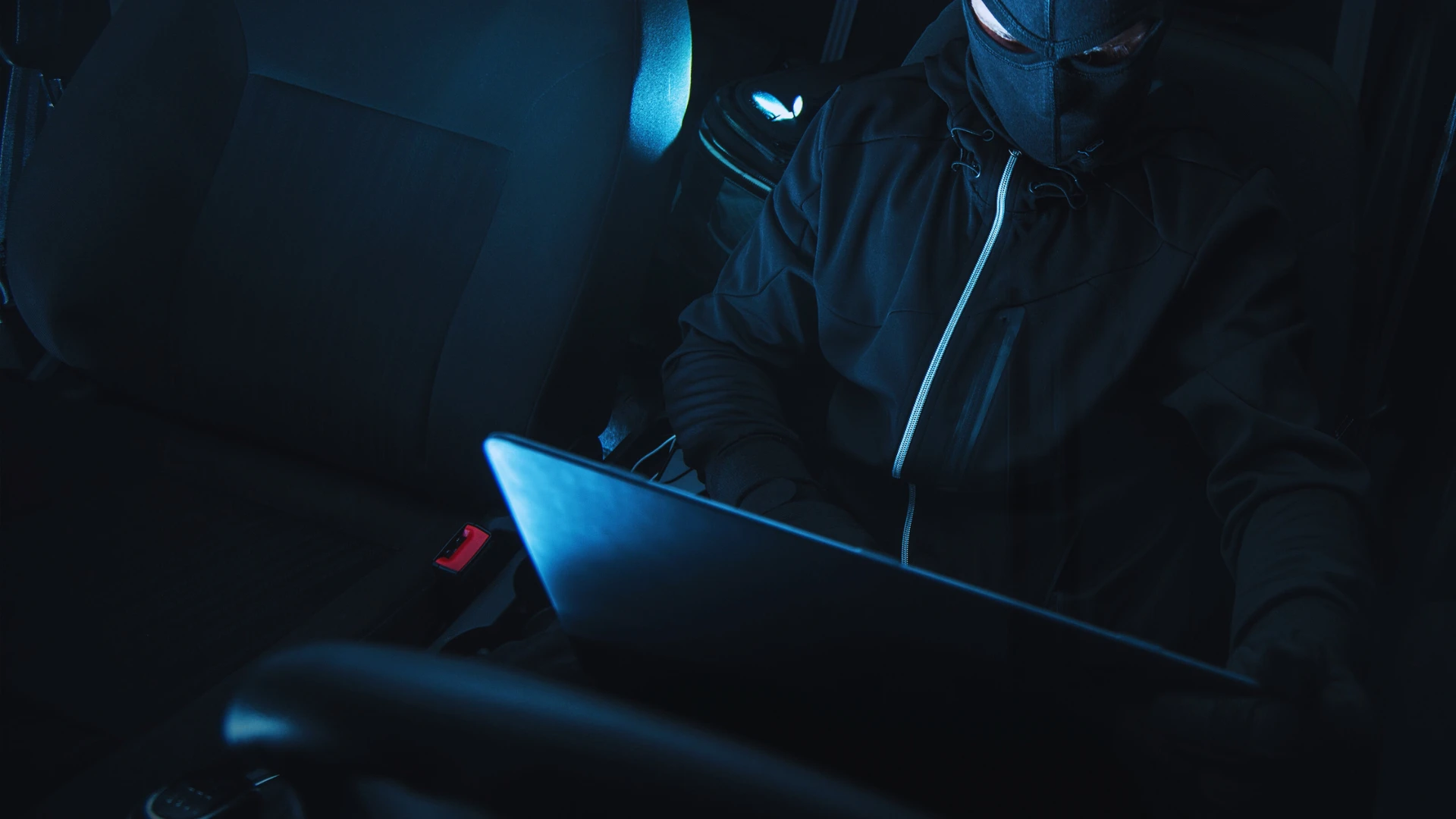
Vehicle theft has changed. Keyless entry hacks, signal boosters and cloned transponders mean a thief can drive away in seconds without breaking a window or making a scene. For commercial fleets, where a single stolen van can mean lost tools, missed contracts and days of disruption, an immobiliser is one of the most effective defences available. This guide explains how immobilisers work and why they matter for fleet operators.
Key takeaways
- An immobiliser prevents the engine from starting unless a secure tag, fob or code is present, defeating key cloning and relay attacks.
- Keyless thefts, relay attacks and OBD hacking are on the rise, and vehicles without up-to-date security are easy targets.
- Only around 39 per cent of stolen vans are recovered, so preventing theft is far more effective than reacting to it.
- Some insurers restrict payouts on keyless thefts where security was inadequate, and Thatcham or TASSA approved systems can support premium discounts.
- Immobilisers work alongside trackers: the immobiliser prevents theft, the tracker aids recovery.
How modern vehicle theft works
A locked vehicle with a factory alarm is no longer a serious obstacle to an organised thief. Today’s most common methods leave no sign of forced entry at all:
- Relay attacks: signal boosters relay the keyless fob’s signal from inside a house to the vehicle outside, unlocking and starting it in seconds.
- Key cloning: transponder signals are copied to create a working duplicate key.
- OBD hacking: thieves plug into the vehicle’s diagnostic port to programme a new key or bypass factory security.
Thousands of vehicles are stolen every month across the UK, many in broad daylight and many without any forced entry. It is not just luxury cars either. Vans loaded with tools, motorhomes and everyday fleet vehicles are all targets. If it is valuable, it is vulnerable.
What vehicle theft costs a fleet
The consequences of a stolen commercial vehicle go well beyond the value of the vehicle itself:
- Lost tools and equipment: for tradespeople and businesses, losing a van often means losing thousands of pounds’ worth of tools, which can halt work and cause missed contracts.
- Insurance complications: many insurers are tightening their policies around keyless theft. If a vehicle is stolen this way and security was inadequate, the claim may be reduced or refused, a double financial blow.
- Low recovery odds: with only around 39 per cent of stolen vans recovered, the chances of getting a vehicle back are poor, particularly without tracking or immobilisation fitted.
- Operational disruption: beyond the immediate loss, theft creates downtime, police reports, insurance claims and vehicle replacement costs that sap time and energy across the business.
What is an immobiliser?
An immobiliser is a security device that prevents a vehicle from starting unless the correct key, tag or code is used. It works by cutting off part of the engine system, such as the ignition, fuel supply or starter motor, so that even if someone gets into the vehicle they cannot drive it away.
Immobilisers protect against key cloning, hotwiring and relay attacks, which are now among the most common methods thieves use. They are especially valuable on vehicles with keyless entry, where criminals do not even need the key to attempt a theft.
How immobilisers stop theft
A modern immobiliser system prevents the engine from starting unless a specific tag, PIN code or authorised key is present. Even if someone clones the key or tricks the vehicle’s signal, the engine will not start. Options range from discreet tag-based systems to Bluetooth immobilisers combined with live vehicle tracking, so there is a specification to suit different vehicles, budgets and security priorities.
It is simple protection that works:
- Stops hotwiring, key cloning and relay attacks
- Works with the vehicle’s existing key or fob
- Invisible to thieves, but powerful in action
- Can reduce insurance premiums
- No monthly fees for many systems
Benefits of an aftermarket immobiliser
| Benefit | What it means for the operator |
|---|---|
| Stops engine theft | The vehicle simply will not start unless the correct tag, code or fob is used. |
| Defends against modern hacks | Protects against key cloning, relay attacks and signal theft, all common on newer vehicles. |
| Insurance friendly | Many insurers recognise Thatcham or TASSA approved systems, with possible discounts. |
| Discreet and secure | No lights or sounds; thieves cannot find what is not visible. |
| Works on any vehicle | Suitable for older vehicles, keyless models, classic cars, motorhomes and commercial vans. |
| Peace of mind | Vehicles can be parked overnight or in public without constant worry about theft. |
Immobilisers, approval and insurance
As with trackers, independent approval matters. Thatcham and TASSA approved immobilisers have been tested against recognised security standards, and fitting an approved system can support lower premiums and satisfy policy conditions. Some insurers now expect additional security on vehicles known to be vulnerable to keyless theft, so it is important to check exactly what a policy requires before specifying equipment.
Immobilisers and trackers also complement each other well. The immobiliser prevents the vehicle from being driven away, while a tracker provides location data and monitored recovery if a theft does succeed. For fleets carrying valuable tools or operating high-risk vehicles, combining the two provides layered protection: prevention first, recovery as the backstop. Professional fitting matters too, since a well-hidden, correctly wired installation is far harder for a thief to locate and bypass.
Source vehicle immobilisers at wholesale prices
Approved fleet operators, telematics providers and trade customers can apply for a Wholesale Telematics trade account to access the full catalogue and wholesale pricing.