Automated Tachograph Downloads for Fleet Compliance
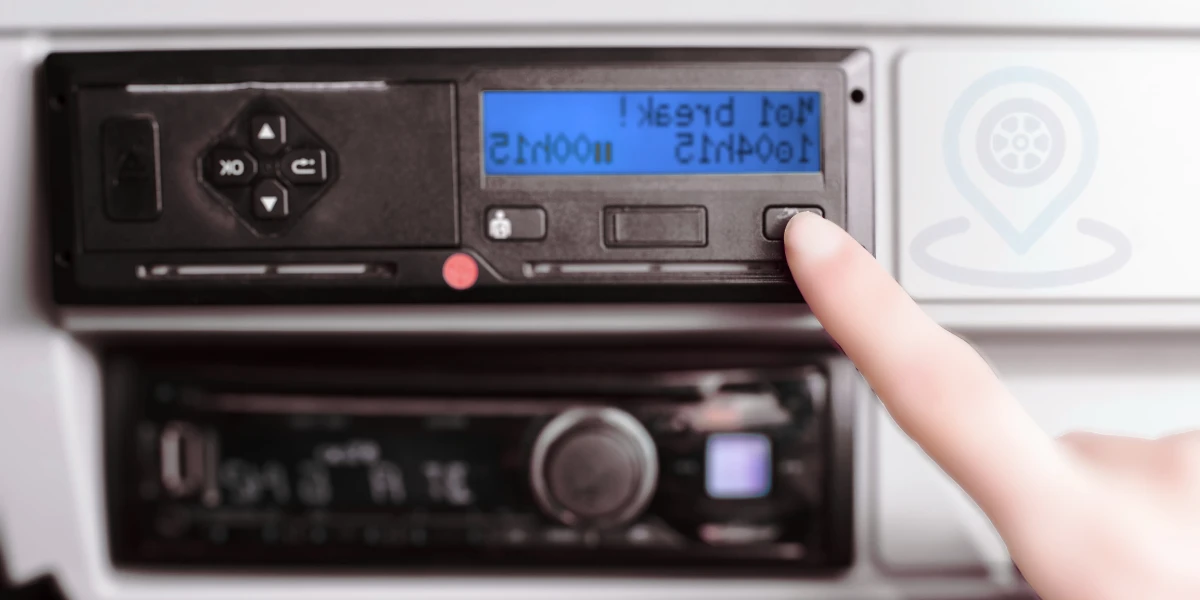
Tachograph data sits at the heart of fleet compliance, and the rules on how often it must be downloaded are strict. Automated tachograph downloads remove the manual work by collecting driver card and vehicle unit data remotely, on schedule, without anyone touching the vehicle. This guide explains the legal requirements, how remote downloading works and what to look for in a system.
Key takeaways
- EU Regulation 165/2014 and GB domestic rules require driver card data to be downloaded at least every 28 days and vehicle unit data at least every 90 days.
- Missed downloads can lead to penalties, operator licence risk, audit failure and higher insurance premiums.
- Automated systems transfer driver card and vehicle unit data remotely at scheduled intervals, with no manual intervention.
- Good systems encrypt data, meet GDPR requirements and flag missing or corrupted files automatically.
- Leading platforms integrate with analysis tools such as Tachomaster, TruTac and SmartAnalysis.
What are automated tachograph downloads?
Automated tachograph downloads refer to the digital collection and storage of tachograph data, including driver activity, vehicle motion, speed, and driving and rest times, without requiring manual intervention. These systems securely transfer driver card and vehicle unit (VU) data to a central system at scheduled intervals.
Instead of a transport manager physically visiting each vehicle with a download tool, the data arrives automatically in a cloud platform where it can be stored, analysed and audited. Whether an operation runs 5 vehicles or 500, automation scales with the fleet and simplifies compliance management.
The download rules: 28 days and 90 days
EU Regulation 165/2014 and GB domestic regulations require operators to download tachograph data within fixed maximum intervals:
- Driver card data: at least every 28 days
- Vehicle unit (VU) data: at least every 90 days
These are legal maximums, not targets, and the data must also be stored securely and be available for inspection. Failing to comply can lead to:
- Penalties or licence suspension
- Risk of audit failure
- Higher insurance premiums
Automated systems ensure downloads occur regularly, which removes the risk of a missed deadline slipping through unnoticed and keeps a complete, consistent record for the DVSA and traffic commissioners.
The limits of manual downloads
Manual downloading requires physical access to each vehicle and each driver card, which becomes labour-intensive as a fleet grows. Beyond the time cost, manual processes carry several structural weaknesses:
- Human error: missed downloads, incorrect data entry or failure to store files properly are all common failure points.
- Reactive management: manual downloads provide no real-time visibility, so managers cannot act on current driver and vehicle status.
- Technical issues: faulty card readers or corrupted data files can leave records incomplete or inaccurate without anyone noticing.
- Scheduling burden: vehicles on long-distance or multi-depot work may simply not be available when a download is due.
Automation eliminates this workload, saving hours of labour each month and freeing the team to focus on higher-priority tasks.
How remote downloads work
A typical automated setup has three parts:
- Vehicle hardware: installed telematics units or smart tachographs transmit VU data over a mobile connection.
- Driver card readers: plugged into office hubs or integrated into vehicles to capture driver card data.
- Cloud software: data is stored, analysed and presented via a dashboard, with company card authentication handled centrally.
Once configured, the system polls each vehicle on a schedule, collects the files, verifies them and files them against the correct driver and vehicle. The transport office sees a single compliance picture rather than a pile of individual downloads.
Key features and platform compatibility
When comparing systems, the features that matter most in day-to-day operation are:
- Automatic scheduling, for example a download every 7 days rather than waiting for the legal deadline
- Secure encryption and GDPR compliance for stored data
- Alerts for missing or corrupted data so gaps are caught immediately
- Compatibility with leading tachograph analysis tools such as Tachomaster, TruTac and SmartAnalysis
Compatibility deserves particular attention. Most operators already use an analysis platform for infringement reporting and working time calculations, so the download hardware should feed that platform directly rather than forcing a change of software or a manual export step.
Is automation worth it?
For most fleets subject to tachograph rules, the answer is yes. Automation ensures consistent compliance with EU and UK regulations, removes hours of repetitive administration and improves data accuracy, while the same telematics hardware often provides tracking and fleet management insights as a by-product.
Whether you are a fleet operator, compliance officer or logistics manager, investing in automation helps future-proof an operation against growing regulatory and operational demands. It transforms compliance from a reactive scramble before each deadline into a proactive, continuously monitored process.
Getting started with automated downloads
Moving from manual to automated downloads is usually straightforward. Start by auditing the current position: which vehicles have digital or smart tachographs, which analysis platform the operation already uses, and where the compliance gaps are. That audit determines whether the fleet needs full telematics units, dedicated remote download devices or a mix of the two.
From there, confirm that the chosen hardware supports the company card authentication process, set the download schedule well inside the legal deadlines, and assign responsibility for reviewing the automated alerts. Once the system is live, the transport office only needs to act on exceptions rather than managing every download by hand, and the audit trail builds itself in the background.
Source tachograph download hardware at wholesale prices
Approved fleet operators, telematics providers and trade customers can apply for a Wholesale Telematics trade account to access the full catalogue and wholesale pricing.