
Fitting Telematics and Camera Hardware to Commercial Vehicles
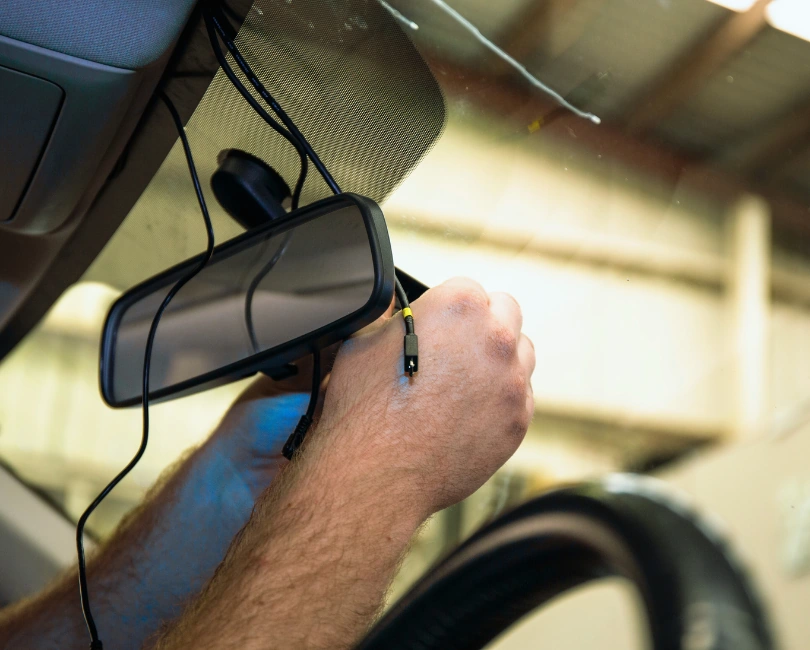
Choosing the right telematics, tracking or camera hardware is only half the job. How that equipment is fitted determines whether it performs reliably for years or causes warranty disputes, downtime and rework. This guide explains what good installation involves on commercial vehicles, what goes wrong when it is treated as an afterthought, and how to plan fitting across a fleet.
Key takeaways
- Installation quality directly affects equipment performance, warranty validity and, for insurance trackers, whether a policy is honoured.
- Poor fitting leads to loose cabling, damaged components, non-working systems and vehicles off the road.
- Commercial installations span everything from 3.5 tonne vans to 44 tonne artics, and each vehicle type needs relevant experience.
- Good installers plan work around fleet availability, complete most jobs in hours and document what was fitted.
- Wholesale Telematics supplies hardware only and does not carry out installations, but can connect trade customers with suitable installation providers through Trade Support.
Why installation quality matters
Telematics units, trackers, immobilisers, cameras and DVRs all depend on correct wiring, secure mounting and proper configuration. A tracker that loses power intermittently, a camera aimed a few degrees off or a DVR with a loose storage connection will produce unreliable data at best and nothing at all at worst.
The stakes are higher on commercial vehicles. Compliance equipment such as camera safety systems must be positioned and working correctly to satisfy scheme requirements, and insurance approved trackers usually require certified installation with documentation before an insurer will recognise them. In every case, the hardware is only as good as the fitting behind it.
What goes wrong with poor fitting
When installation is left as an afterthought, the same problems appear again and again:
- No accountability: the supplier blames the installer, the installer blames the supplier, and the operator is left sorting out the mess.
- Void warranties: equipment fitted incorrectly or by unqualified fitters can lose its manufacturer warranty.
- Wrong equipment fitted: mismatched hardware costs more time and money to put right.
- Downtime: vehicles off the road, jobs delayed and customer service affected.
- Poor workmanship: cables left loose, components damaged or systems that simply do not work.
Asking an already stretched in-house team to fit specialist equipment rarely ends well either. Vehicle electrics vary widely between makes and models, and diagnosing a bad install later usually costs more than doing it properly the first time.
What a professional installation involves
A competent commercial vehicle installation follows a consistent pattern regardless of the equipment being fitted:
- Pre-installation planning: confirming the vehicle type, equipment specification and mounting positions before anyone picks up a tool.
- Correct electrical integration: fused, secure connections to appropriate power sources, with no reliance on loose or temporary wiring.
- Tidy, protected cabling: routed away from moving parts and heat, secured along its full length and hidden where security matters.
- Testing and commissioning: verifying that every camera view, tracking signal or download function works before the vehicle is handed back.
- Documentation: a record of what was fitted, where and by whom, including certificates where insurers or compliance schemes require them.
Experience with the vehicle class matters too. Fitting across commercial fleets spans everything from 3.5 tonne vans to 44 tonne articulated vehicles, including tippers, flatbeds and trailer combinations, and each brings its own wiring, mounting and access considerations.
Planning fitting around fleet operations
Every hour a vehicle spends being fitted is an hour it is not earning, so scheduling deserves as much attention as the technical work. Well-run installation programmes share a few habits: work is booked around vehicle availability rather than the installer’s convenience, fitting takes place at the depot, site or driver handover point rather than forcing empty mileage, and most single-vehicle jobs are completed within a few hours.
For larger rollouts, phasing the work vehicle by vehicle keeps the fleet operational, and a single point of contact who understands the fleet’s setup avoids repeating the same brief to multiple people. Agreeing all of this up front prevents the familiar cycle of chasing quotes, lead times and availability mid-project.
Questions to ask an installer
Before committing to an installation firm, it is worth asking:
- Have you fitted this specific equipment before, and on this vehicle type?
- Are your engineers certified where the equipment requires it, for example insurance approved trackers?
- What documentation and certification do you provide after the work?
- How do you handle warranty issues if a fault appears after fitting?
- Can you work at our depot and around our vehicles’ availability?
- What is your process if the equipment does not work correctly on handover?
Clear answers to these questions separate professional outfits from firms that will leave you managing the risk yourself.
Finding the right installation partner
Researching and vetting installation firms takes time, and the consequences of choosing badly land squarely on the operator. The best results come from pairing quality hardware with an installer who knows that hardware, works to a documented standard and takes responsibility for the finished job.
Wholesale Telematics is a wholesale supplier of fleet technology and does not carry out installations. However, trade customers do not have to start the search from scratch: through Trade Support, Wholesale Telematics can connect approved trade customers with suitable installation providers who are experienced with the equipment in the catalogue, helping them pair the right hardware with the right fitting expertise.
Hardware at wholesale prices, installer connections through Trade Support
Approved fleet operators, telematics providers and trade customers can apply for a Wholesale Telematics trade account to access the full catalogue and wholesale pricing.