
FORS Explained: Bronze, Silver and Gold Requirements
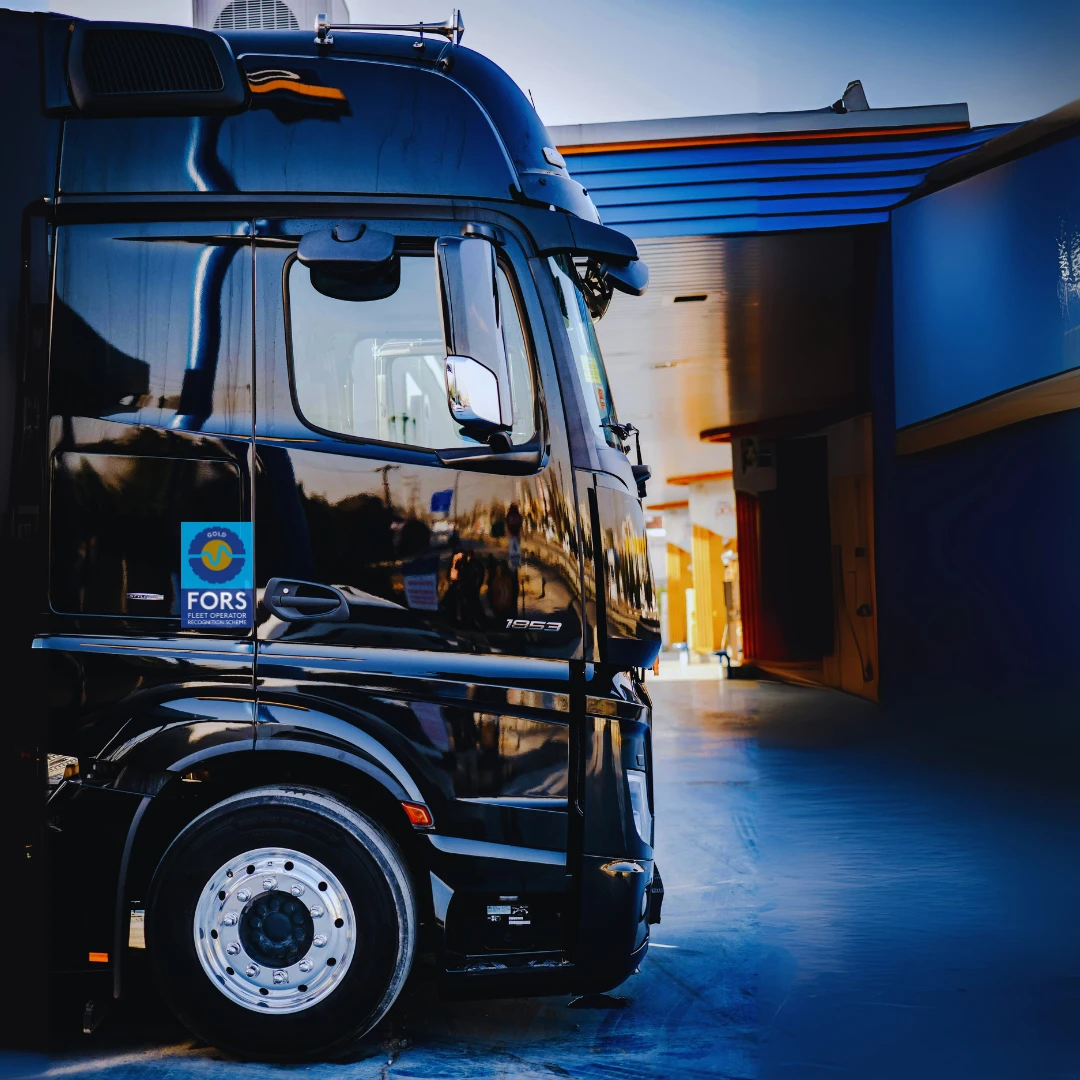
The Fleet Operator Recognition Scheme (FORS) is one of the most widely recognised accreditations in UK road transport, and many contracts now require it. This guide explains what FORS is, what the Bronze, Silver and Gold levels involve, the vehicle safety equipment typically required, and how to prepare for accreditation without the usual headaches.
Key takeaways
- FORS is a voluntary accreditation scheme promoting best practice in safety, efficiency and environmental protection.
- The scheme has three progressive levels: Bronze, Silver and Gold, each building on the last.
- Bronze covers legal compliance, basic safety features and fundamental driver training.
- Silver adds enhanced vehicle safety equipment, proactive environmental management and more advanced driver training.
- Gold demands exemplary performance, industry leadership, robust documentation and continuous performance monitoring.
What is FORS?
The Fleet Operator Recognition Scheme (FORS) is a voluntary accreditation scheme for fleet operators across the UK and beyond. Its aim is to promote best practice in safety, efficiency and environmental protection. The scheme has three levels, Bronze, Silver and Gold, each building on the last, designed to help operators improve their operations and demonstrate a commitment to safe and responsible road use.
FORS requires fleet operators to progressively meet increasing standards across management, vehicles, drivers and operations. Many local authorities, construction clients and major contractors specify FORS accreditation, often at Silver level, as a condition of working on their sites or contracts. For operators, accreditation is therefore both a safety framework and a commercial credential: it opens doors to work that would otherwise be unavailable, while providing a structured route to fewer incidents, lower running costs and a smaller environmental footprint.
The three levels: Bronze, Silver and Gold
Bronze
Bronze is the entry level and focuses on legal compliance, basic safety features and fundamental driver training. It confirms that an operator runs a lawful, well-managed fleet with sound policies, record keeping and licensing in place.
Silver
Silver builds on Bronze with enhanced vehicle safety equipment, proactive environmental management and more advanced driver training. This is the level at which specific hardware requirements, such as camera systems, blind spot detection and audible warnings, come into play, and it is the level most commonly demanded by contracts.
Gold
Gold represents exemplary performance, with advanced safety measures, a deep environmental commitment and industry leadership. It demands robust documentation, ongoing training, continuous performance monitoring and significant investment in equipment and time to achieve and maintain.
| Level | Focus | What it demonstrates |
|---|---|---|
| Bronze | Legal compliance, basic safety, fundamental driver training | A lawful, well-managed fleet operation |
| Silver | Enhanced vehicle safety equipment, proactive environmental management, advanced training | Active investment in safety and reduced impact |
| Gold | Exemplary performance, advanced safety measures, industry leadership | Best-in-class operation with continuous monitoring |
Vehicle safety equipment requirements
To meet the vehicle safety equipment standards set out in the FORS documentation, operators must ensure their fleet is fitted with the appropriate equipment for their accreditation level. Requirements vary by vehicle type and weight, but Silver-level kits for HGVs typically include:
- A Blind Spot Information System (BSIS) covering the nearside of the vehicle
- A Moving Off Information System (MOIS) covering the front of the cab
- Side-view cameras with an in-cab monitor
- An audible left-turn alarm
- High-visibility warning signage
- An incident vehicle recorder, commonly met with a vehicle CCTV or dash cam system
Camera-based and radar-based solutions are both available for BSIS and MOIS, and much of the equipment specified for FORS Silver overlaps with the Progressive Safe System required under the Direct Vision Standard, so a well-specified kit can serve both schemes. Complete kits are available for the main vehicle configurations, including rigids, tractor and trailer combinations, and HGVs from 3.5 tonnes upwards, which simplifies specification across a mixed fleet.
Common challenges when preparing for FORS
Preparing for FORS can be a challenge, especially when it comes to vehicle safety equipment. Some operators simply do not have the in-house knowledge, particularly if they are not well versed in telematics or vehicle technology, and audit deadlines can make the process feel overwhelming. Operators are typically expected to:
- Comply across vehicle types. Fit the right equipment across different vehicles, from artics and rigids to tippers and flatbeds.
- Choose the right kit. Select equipment that meets the exact requirements for Bronze, Silver or Gold.
- Keep up with changing specifications. Know what is compliant and what is not, even as technical specifications evolve.
- Arrange competent installation. Find installers who will not damage vehicles, overpromise or delay operations.
Preparing for accreditation
A structured approach takes most of the pain out of the process:
- Decide which level your contracts and clients actually require, and work towards that level first.
- Audit your fleet against the current FORS Standard, noting equipment gaps by vehicle type and weight.
- Source quality-assured equipment that is documented as meeting the relevant FORS requirements, and keep the specification sheets for your audit evidence.
- Have equipment fitted by experienced commercial vehicle installers, scheduled to minimise vehicle downtime.
- Put training, documentation and monitoring processes in place well before the audit date, since FORS assesses the operation as a whole, not just the hardware.
Looking to source FORS compliance equipment?
Approved fleet operators, telematics providers and trade customers can apply for a Wholesale Telematics trade account to access the full catalogue of FORS-suitable safety equipment and wholesale pricing.