
A Guide to Fleet CCTV Systems
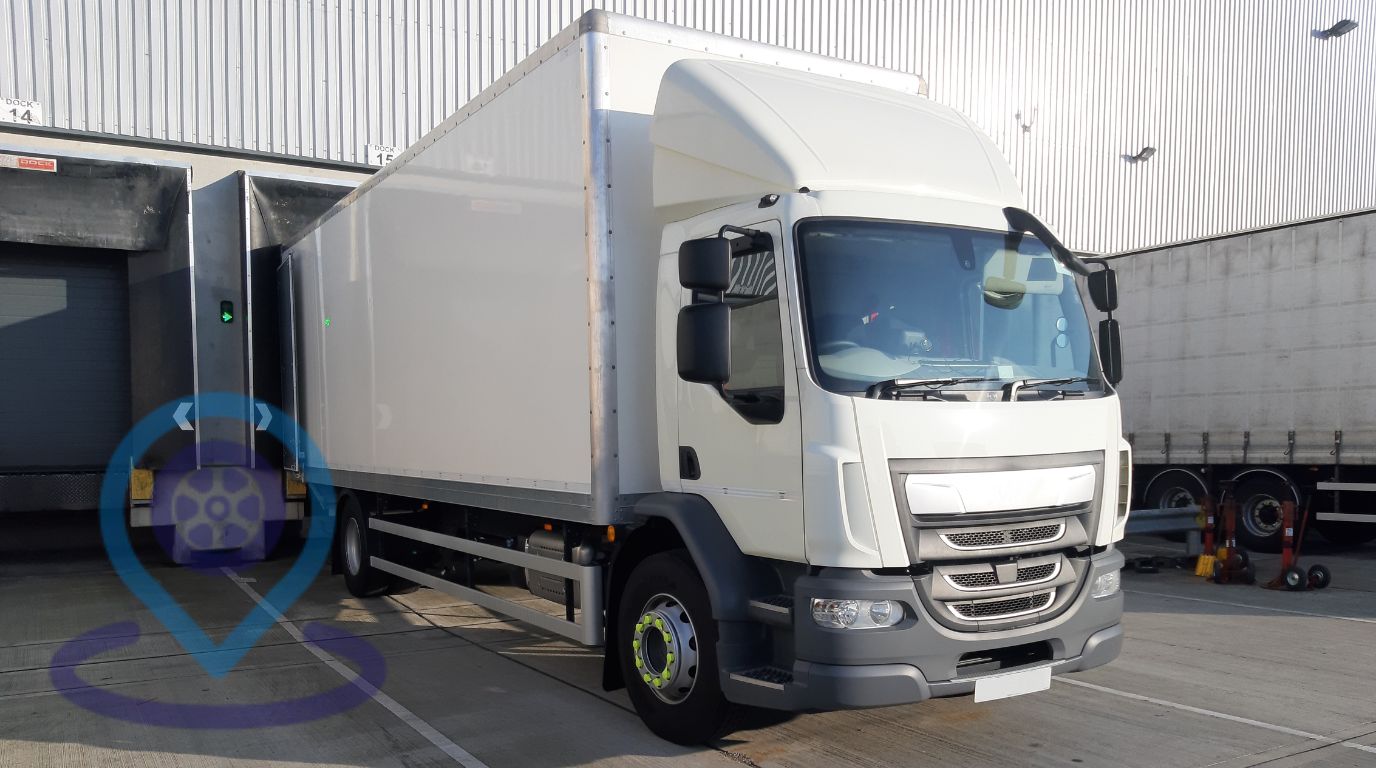
When there is an incident, a claim or a complaint, a fleet operator is expected to know what happened, where it happened and who was at fault. This guide explains what vehicle CCTV is, the difference between live view and regular recording systems, how fleets use the footage in practice, and how to choose the right configuration for your vehicles.
Key takeaways
- Vehicle CCTV records journeys and incidents while giving drivers enhanced visibility around the vehicle.
- Systems range from simple three-camera kits to full six-camera coverage of the road, sides, rear, cab and trailer.
- Live view systems add real-time remote monitoring, cloud storage and GPS tracking; regular systems record locally to onboard storage.
- Footage resolves insurance claims quickly, protects against crash-for-cash fraud and provides proof of delivery.
- Vehicle CCTV supports compliance with FORS, the Direct Vision Standard and many insurer requirements.
What is vehicle CCTV?
Vehicle CCTV refers to camera systems installed on and connected to vehicles for the purpose of recording journeys and incidents, as well as giving drivers enhanced visibility. These systems go beyond basic safety cameras that simply reduce blind spots; modern vehicle CCTV offers comprehensive fleet management capability. Fleet managers can monitor vehicles in real time, review recorded footage and gain valuable insight into driver behaviour and incidents.
Vehicle CCTV helps reduce fraud, provides proof of delivery and is often essential for meeting industry standards such as the FORS incident vehicle recorder requirement. Commercial-grade systems are available in configurations from simple three-camera kits up to full six-camera coverage with live view and playback.
Live view vs regular view systems
Live view fleet CCTV
Live view systems provide real-time remote monitoring alongside HD recording, protecting drivers, vehicles and cargo both on the road and in the yard. Footage is held in secure cloud storage, so it can be accessed, played back and downloaded whenever it is needed. An integrated GNSS module tracks each vehicle’s precise location, speed and route, and the whole system connects to a video telematics platform so managers can view live feeds and fleet status from anywhere, 24 hours a day, using a mobile app or browser.
Regular view fleet CCTV
For operators who are not ready for remote streaming, regular fleet CCTV still offers comprehensive monitoring, HD recording and location tracking. A typical system captures complete HD video of the road, sides, rear and cab interior, with night vision for clear footage in all conditions, and records securely to onboard storage such as a 1TB SSD. Footage is retrieved from the vehicle rather than streamed, which keeps ongoing costs down.
| Feature | Live view CCTV | Regular view CCTV |
|---|---|---|
| Footage access | Remote, in real time, from anywhere | Retrieved from the vehicle |
| Storage | Secure cloud plus onboard recording | Onboard storage, typically a 1TB SSD |
| Tracking | Live GPS location, speed and route | Location data recorded with footage |
| Connectivity | 4G link to a video telematics platform | None required |
| Best suited to | Fleets needing instant incident response and oversight | Fleets wanting evidence and accountability at lower ongoing cost |
How fleets use vehicle CCTV
Many fleets have gained a real advantage by adopting vehicle CCTV across their vehicles. The most common uses include:
- Proof of services delivered
- Evidence in the event of a crash or incident
- Protection from false claims and crash-for-cash fraud
- Reassurance that vehicles are being used properly
- Support for drivers with genuine evidence rather than assumptions
- Compliance with FORS, DVS and insurance requirements
- Oversight of vehicles and assets from anywhere
Beyond individual incidents, CCTV helps deter theft and prevent damage, and the recorded journeys, locations and driver behaviour data make it possible to respond quickly to events and coach drivers constructively. Video evidence can rapidly resolve insurance claims, often exonerating drivers from fault and reducing the time and cost involved in investigations.
The risks of operating without footage
Most fleets only discover the value of CCTV when something goes wrong, and by then it is too late to capture what happened. Without a working system, an operator is relying on second-hand reports, memory or guesswork. If there is a collision, complaint or claim, there is nothing to back the driver or the business.
The risks build over time. No footage means no way to coach unsafe driving, no easy way to resolve disputes and no evidence when something serious happens. Whether the fleet runs HGVs, tippers, vans or artics, the operator takes the call when there is an incident, and without decent footage the answer rests on hearsay and paperwork.
Choosing the right system for your fleet
Choosing a system can feel overwhelming, with many similar-looking options and plenty of jargon. A structured approach makes the decision much simpler:
- Camera count and coverage. Three to six camera setups cover the road, rear, sides, cab and trailer. Match the coverage to the blind spots and risks of each vehicle type.
- Vehicle types. Systems are available for every vehicle class, including artics, rigids, tippers, LCVs and vans, with vehicle-specific options where needed.
- Live view or regular recording. Decide whether real-time remote access justifies the connectivity cost, or whether onboard recording meets your needs.
- Compliance requirements. Check FORS, DVS and insurer specifications before buying so the hardware satisfies every scheme you operate under.
- Installation quality. Cameras should be fitted by a qualified installer, positioned to meet legal requirements and avoid MOT issues, and fully tested on site.
Looking to source fleet CCTV hardware?
Approved fleet operators, telematics providers and trade customers can apply for a Wholesale Telematics trade account to access the full catalogue and wholesale pricing.