
A Guide to GPS Fleet Tracking
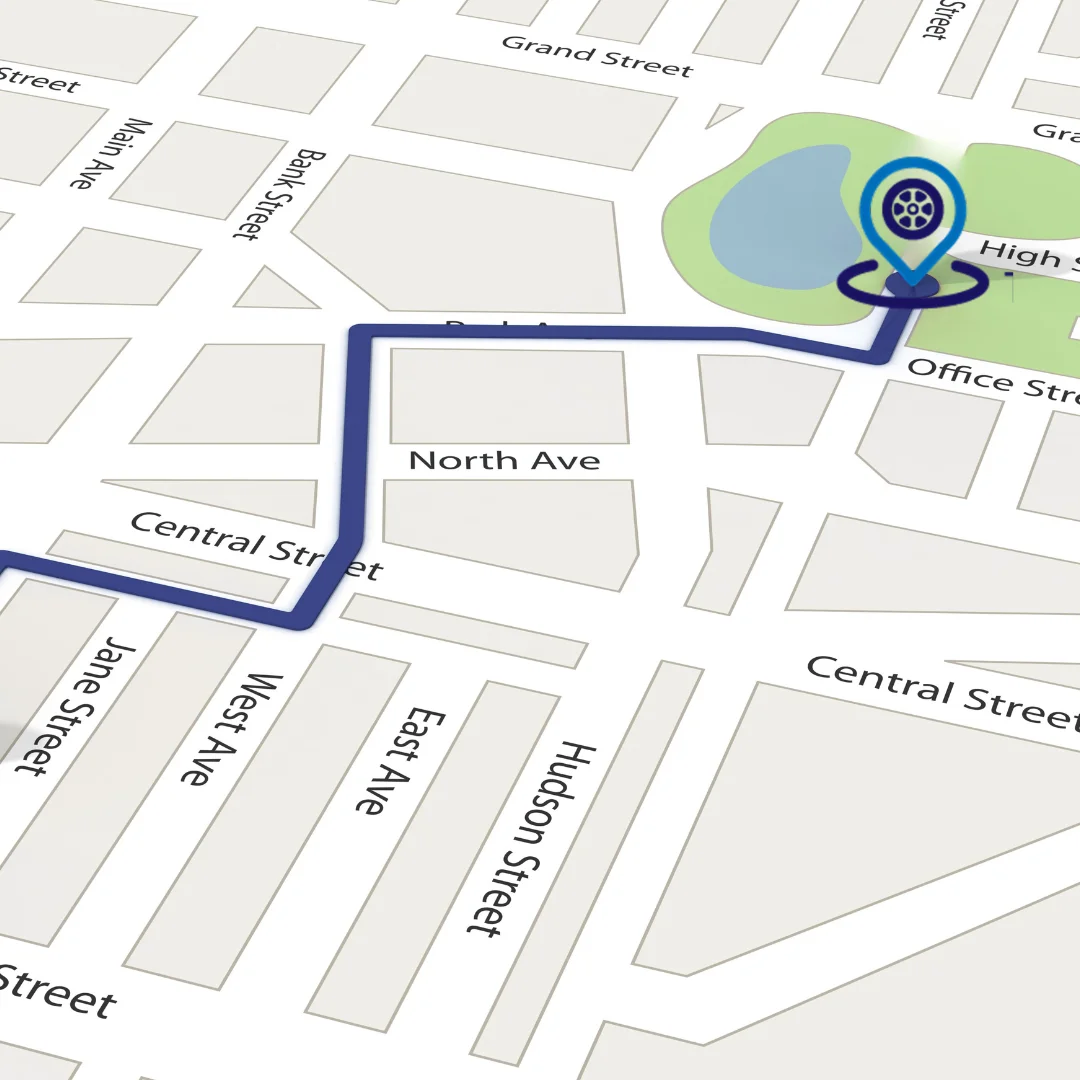
GPS fleet tracking has become one of the most widely adopted technologies in commercial vehicle management, and for good reason. It gives operators a clear, real-time picture of where every vehicle is, how it is being driven and what it is costing the business. This guide explains how fleet tracking works, the benefits it delivers and what to look for when specifying a system for your fleet.
Key takeaways
- Fleet tracking combines GPS, onboard diagnostics and data connectivity to monitor vehicles in real time.
- Many UK fleets report fuel savings of 10 to 25 per cent through reduced idling, better driving behaviour and more efficient routing.
- Journey history and driver behaviour data help resolve disputes, support insurance claims and coach safer driving.
- Thatcham and TASSA approval indicate that a tracking device has been independently tested and is recognised by UK insurers.
- Options range from self-install plug-and-play devices to professionally fitted systems with immobilisation and tachograph download capability.
What is GPS fleet tracking?
Fleet tracking refers to the use of telematics technology, which combines GPS positioning, onboard diagnostics and data connectivity, to monitor and manage a company’s vehicles in real time. The system allows businesses to optimise delivery or service routes, provide customers with accurate estimated times of arrival, and use collected data to reduce operational costs and improve efficiency.
As one of the most widely adopted aspects of fleet management, tracking helps companies maintain better control over their vehicles, enhance customer service and make informed decisions based on both real-time and historical vehicle data. It is equally relevant to a small operation running a handful of vans and a nationwide HGV fleet.
How fleet tracking works
A tracking device fitted to each vehicle records its position via GPS and transmits that data, along with information from the vehicle’s electronics, over a mobile data connection to a cloud platform. Fleet managers then view live locations, journey history and alerts from a desktop dashboard or mobile app, whether they are in the office, at the depot or out on site.
Hardware options vary to suit different fleets and budgets:
- Self-install devices: OBD plug-and-play or battery-connect units that can be fitted in minutes without an engineer.
- Professionally fitted trackers: hardwired units that are hidden from view, harder to defeat and suitable for insurance purposes.
- HGV-specific systems: heavy-duty trackers that can integrate with the tachograph for remote data downloads.
There is no one-size-fits-all system. The right approach is to match the tracker to the fleet’s setup so the operator gets the insights they need without paying for features they will never use.
The benefits of fleet tracking
A well-specified tracking system delivers value across the whole operation:
- Live GPS tracking: see where every vehicle is, in real time, and receive alerts for unexpected movements.
- Journey history and alerts: spot patterns, respond to issues faster and resolve disputes or claims with accurate records.
- Driver behaviour monitoring: cut risk and coach smarter by tracking speeding, harsh braking and idling.
- Mileage and fuel tracking: reduce waste, identify fuel theft and lower bills.
- Theft protection: real-time location data dramatically improves the chances of recovering a stolen vehicle quickly.
- Mobile and desktop access: manage the fleet from the office, depot or job site.
- Optional extras: immobilisation and compliance tools, including remote tachograph downloads.
Fuel and cost savings
Fuel is one of the largest variable costs in any fleet, and it is where tracking tends to pay for itself first. Many UK fleets report fuel savings of 10 to 25 per cent after introducing GPS tracking, achieved by reducing idling, improving driving behaviour and planning more efficient routes.
Accurate mileage records also simplify expense claims and maintenance scheduling, while visibility of vehicle utilisation often reveals opportunities to do the same work with fewer vehicles. Over a full year, those incremental gains add up to a measurable reduction in cost per mile.
Improving driver safety
Tracking data is a powerful safety tool. By monitoring speeding, harsh braking and long hours behind the wheel, fleet managers can identify risk before it becomes an incident and use the data to coach safer driving habits.
The same records also protect drivers. If there is ever an incident or a false claim, journey history and driving data provide an objective account of what actually happened. That is protection for the driver and for the business, and it can make a real difference to insurance outcomes.
The cost of running a fleet without visibility
Running a fleet without proper tracking means making decisions without the facts. The common consequences include:
- Unseen driving habits: bad habits go unnoticed, costing fuel, wear and tear, and even safety points.
- No evidence in disputes: without accurate records it is one person’s word against another’s, which is never good for business.
- Exposure to theft: when a vehicle goes missing every minute counts, and without real-time tracking recovery becomes a matter of luck rather than strategy.
- Inefficient routing: without visibility of where vehicles are and how they are moving, efficient route planning is nearly impossible, leading to wasted time, unnecessary mileage and rising fuel bills.
Thatcham and TASSA approval
When security matters, look for devices approved by Thatcham Research or TASSA. These independent organisations test tracking systems against strict standards covering reliability, security and monitoring, and their approval is recognised by UK insurers.
For high-value vehicles, insurers may require an approved tracker as a condition of cover, and fitting one can contribute to lower premiums. Approved systems are typically monitored around the clock by a secure control centre, which liaises with police to recover stolen vehicles. If theft risk is a significant concern for your fleet, specifying Thatcham or TASSA approved hardware is a sensible starting point.
Source fleet tracking hardware at wholesale prices
Approved fleet operators, telematics providers and trade customers can apply for a Wholesale Telematics trade account to access the full catalogue and wholesale pricing.